

Action Group – Geneva
The Action Group for Palestinians of Syria delivered an oral intervention before the UN Human Rights Council, highlighting the situation of Palestinian refugees from Syria residing in Egypt and the increasing legal and humanitarian challenges they face.
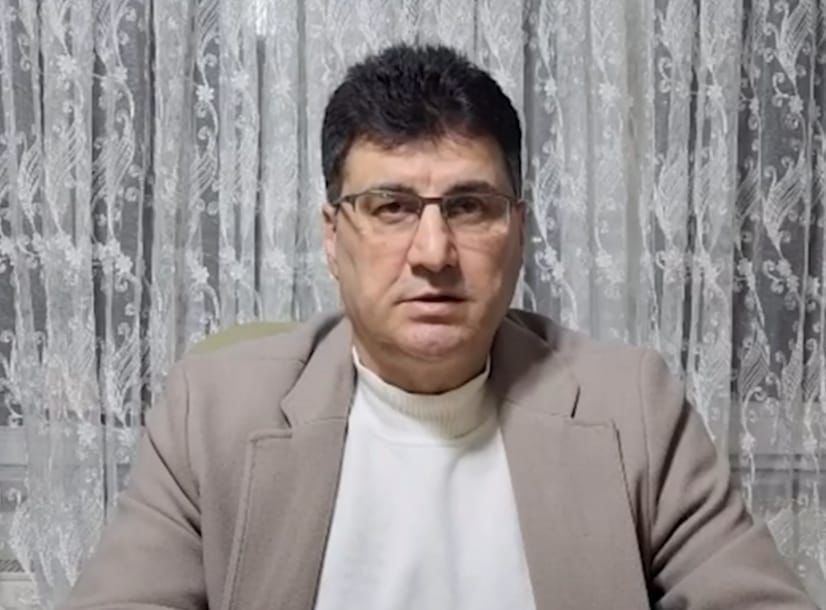
The intervention was presented by the group’s director, Fayez Abu Eid, who pointed out that Palestinians from Syria in Egypt face legal and administrative restrictions that directly affect their enjoyment of fundamental rights. He noted that there were documented reports and testimonies indicating that a number of them had been subjected to arbitrary arrests during search campaigns, without regard for their differing legal statuses. During the intervention, the director also relayed testimonies from some detainees who spoke of being subjected to financial extortion, where they were asked to pay sums of money in exchange for their release or to avoid rearrest.
He noted that Palestinian refugees from Syria in Egypt also face significant difficulties leaving the country due to exorbitant fines that exceed their ability to pay, in addition to complex procedures related to travel documents and permits. This further complicates their humanitarian situation and limits their ability to seek safety and stability.
He explained that many of these refugees had originally fled the conflict in Syria and now live in precarious legal circumstances with limited access to employment and education, exacerbating their daily suffering.
The Action Group for Palestinians of Syria called on the Egyptian authorities to guarantee respect for the fundamental rights of Palestinian refugees from Syria, provide them with legal and humanitarian protection, and adopt more streamlined procedures for those wishing to leave the country.
The group also reaffirmed its commitment to continuing to defend the rights of Palestinian refugees, urging the international community to intensify efforts to uncover the fate of the forcibly disappeared and achieve justice for them and their families.